
Process Analysis of Ceramic Fiber Cloth
Ceramic fiber cloth is woven with ceramic fiber yarn. The raw materials are ceramic fiber, viscose fiber, glass fiber, stainless steel wire and so on. This is open and transparent. Then, why is the price difference so great?
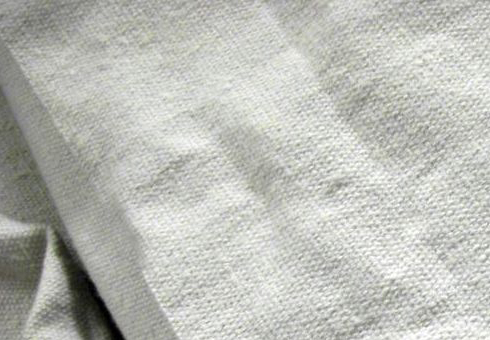
First of all, the proportion of viscose fibers can be high or low depending on the blending ratio chosen during the blending process. What will this decide?
Spinnability and ablation rate, the higher the proportion of viscose fibers blended - spinnability is better - productivity is higher - the lower the labor cost, but on the contrary, the ablation rate increases with the increase of the proportion of viscose fibers, is ablation rate higher good or bad? Of course it's bad! Ceramic fiber cloth is used for fireproof, heat preservation and insulation. Its main effective component is ceramic fiber. High ablation rate means that the effective component is less. The cloth will become sparse in the use process, and the effect of heat preservation, fire prevention and insulation will be discounted naturally.
Secondly, how many weft densities of ceramic fibers are different, what's the problem? Ceramic fibre yarn is roving, weft density difference a few, the eye can not see any difference, but a few yarns saved greatly reduce the cost of materials, on the contrary, because weft density thinning, the effect of heat insulation, fire protection and sealing is discounted.
Thirdly, the quality control of ceramic fiber yarn count. For example, the most common quality problems of ceramic fiber yarn are belly yarn and single yarn because of reinforced yarn. What structure will this cause? It is such yarn that after weaving into cloth, there are cracks in the place of monofilament and knots in the place of big belly yarn. In terms of process standards, such defects are allowed to exist, but require a reasonable acceptable range. But to check this quality problem, we need to winding the yarn, that is, re-winding it once, and brushing it with artificial fingers to check it (sorry, because the ceramic fiber cloth is low-profit, automatic inspection equipment has not yet appeared!) Very labor-intensive, so many manufacturers in order to save this part of the labor, do not check!
Fourth, the inspection and repair of defects in ceramic fibre fabrics, even if the front quality control is very strict, there may still be defects after weaving, so it is necessary for inspectors to check the faults on the cloth inspection machine point by point against the light, and how to find the defects? Within the scope allowed by the standard, manual repairs will be carried out to eliminate defects; in the scope allowed by the standard, I am sorry, it will be used as a waste product. This procedure is labor-intensive and wasteful. Naturally, many manufacturers will be exempted!